Home renovations are exciting right up until they’re not. Without a clear plan, projects stretch past their deadlines, budgets balloon, and decisions made in a hurry end up costing more to fix than they saved in time. Knowing how to plan a home renovation in Las Vegas before any work begins is what separates a smooth remodel from a stressful one.
The good news is that most renovation problems are avoidable. They come from skipping steps, not from bad luck.
Start With Your Goals and Priorities
Before anything else, get clear on why you’re renovating. The answer shapes every decision that follows.
Are you updating the home for how your family lives today? Planning for resale in a few years? Building in aging-in-place features for the long term? Each goal points to different spaces and different priorities.
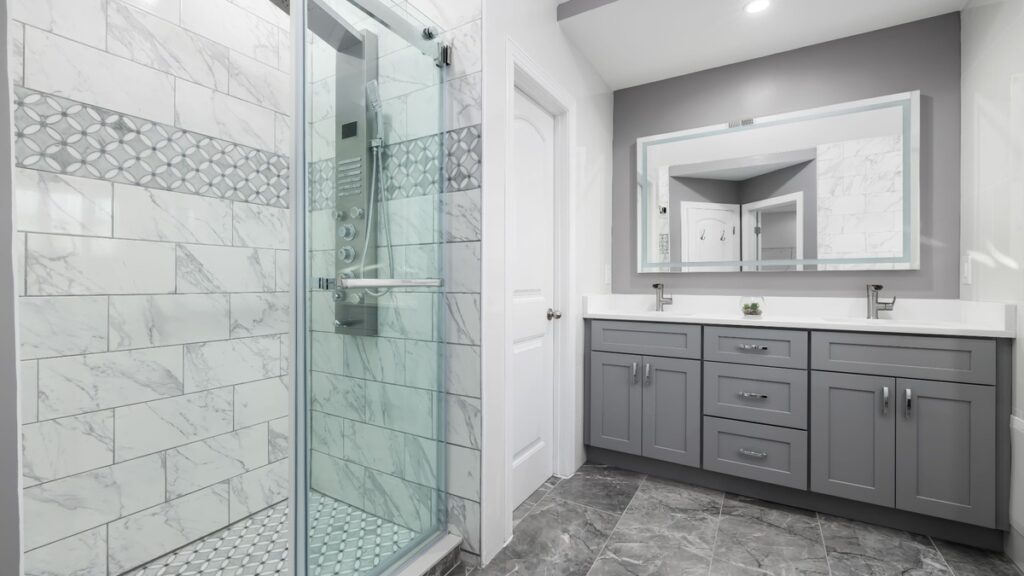
A homeowner renovating for resale might focus on the kitchen and bathroom remodeling, since those spaces consistently offer the strongest return. A homeowner planning to stay for 20 years might prioritize layout changes that make daily life easier, even if they’re invisible to future buyers.
Design should support how you actually live, not just follow what’s trending.
Establish a Realistic Renovation Budget
Budget conversations are uncomfortable, but skipping them creates bigger problems later. A realistic renovation budget covers more than just construction costs.
Factor in design fees, material selections, appliances, permits, and any temporary housing costs if you’ll need to vacate during the work. Each of those line items adds up quickly.
The most important number in any renovation budget is the contingency. Set aside 10 to 20 percent of your total budget for the unexpected. What’s behind the walls of an older Las Vegas home isn’t always predictable, and mid-project surprises, whether it’s outdated wiring, plumbing that needs rerouting, or water damage, cost real money to address. A contingency isn’t pessimism. It’s planning.
Prioritize Projects Before You Begin
Not everything can happen at once, and even if it could, it shouldn’t. Renovations follow a logical sequence that protects both your investment and your timeline.
A practical four-phase approach:
- Phase 1: Structural and systems work first. Foundation issues, roof repairs, electrical panels, plumbing lines. None of the cosmetic work matters if the bones aren’t right.
- Phase 2: Kitchen and bathrooms. These spaces deliver the strongest ROI and affect daily life the most.
- Phase 3: Flooring and finishes. These go in after the messy structural and mechanical work is done.
- Phase 4: Cosmetic upgrades. Paint, fixtures, hardware, and styling come last.
Jumping to Phase 4 before Phase 1 is one of the most expensive mistakes homeowners make.
Create a Vision Before Construction Starts
Most mid-project changes, the ones that blow budgets and delay timelines, happen because the design phase was rushed or skipped entirely. A homeowner who hasn’t decided on cabinet layout realizes mid-framing that the kitchen island won’t fit. A bathroom tile that looked great in a photo doesn’t work with the floor that’s already been ordered.
Decisions that need to happen before a single wall comes down include layout, cabinet style and configuration, countertop materials, flooring, lighting placement, and fixture selections. When it comes to surfaces like countertop materials, choices made early give your contractor the lead time needed to order and receive materials on schedule.
As a design-build firm, Fortress Development Group integrates design and construction under one roof, which means fewer surprises and a more consistent result from concept to completion.
Understand Permits and HOA Requirements in Las Vegas
Las Vegas-area homeowners deal with two separate layers of approval: local government permits and, in many neighborhoods, HOA requirements. Both take time, and neither should be an afterthought.
Structural work, electrical, plumbing, and mechanical changes almost always require permits through Clark County or the relevant city. Permit requirements in Clark County vary by project type and complexity. Cosmetic updates like painting or cabinet refacing typically don’t need permits, but anything touching the structure or systems does.
HOA rules add another layer, particularly in planned communities throughout Summerlin, Henderson, and North Las Vegas. Many HOAs have design review requirements covering exterior finishes, structural modifications, and even some interior changes visible from common areas. Approval timelines vary widely.
Starting permit and HOA applications early, before demolition, keeps the project from stalling at the worst possible moment.

Build a Realistic Timeline
The planning phase of a home renovation almost always takes longer than homeowners expect, and that’s not a bad thing. A 2024 Houzz study found homeowners spent roughly twice as much time planning as building their renovations. Getting the planning right is what makes the construction phase manageable.
A realistic renovation timeline works through these stages:
- Design phase: Several weeks to a few months depending on scope
- Permits: Anywhere from two weeks to several months for complex projects in Clark County
- Material lead times: Custom cabinets typically run 8 to 12 weeks. Specialty tile and imported materials can take longer. Orders placed late hold up entire phases of construction.
- Construction: Depends entirely on scope, but bathroom remodels typically run 4 to 12 weeks, kitchen remodels 8 to 20 weeks, and whole-home renovations 6 months or more.
Build flexibility into every phase. Homes that have been lived in for years rarely reveal everything cleanly during demo.
Decide Whether You’ll Stay During the Renovation
This question doesn’t get enough attention in most planning conversations, and the answer matters more than people realize.
For smaller, contained projects like a single bathroom remodel, staying in the home is usually manageable. For larger projects, especially anything that touches the kitchen or multiple bathrooms at the same time, the daily disruption adds up fast. Dust migrates further than expected. Noise starts early. A kitchen that’s out of commission for eight weeks is a real logistical challenge.
For whole-home renovations, temporary relocation is often the more practical and less stressful choice. Factor that cost into your budget from the start rather than making the call mid-project.
Common Home Renovation Mistakes to Avoid
Most renovation problems trace back to a handful of avoidable errors.
- Starting without a complete plan. Decisions made on the fly during construction are almost always more expensive than decisions made at the design table.
- Underestimating the budget. The 10 to 20 percent contingency rule exists for good reason. Skipping it is a gamble that rarely pays off.
- Ignoring material lead times. Ordering cabinets after demo begins is a reliable way to add weeks to a project. Long-lead items should be ordered before demolition starts.
- Choosing materials too late. Late selections create scheduling gaps that idle crews and push timelines.
- Renovating based on trends rather than lifestyle. A design that looks great in a magazine but doesn’t fit how the household actually lives loses its appeal fast.
- Hiring based on price alone. The lowest bid rarely accounts for everything. Clear communication, licensing, and a documented process matter as much as the number.
Bringing Your Vision to Life With Fortress DG
A well-planned renovation doesn’t happen by accident. It takes a clear process, experienced people, and a design approach that starts before the first tool is picked up.
Fortress Development Group works with homeowners throughout Las Vegas, Summerlin, Henderson, North Las Vegas, and surrounding communities on renovations that range from single-room updates to full whole-home remodels. From layout planning and interior design to construction and finishing details, every project is managed under one roof.
Whether you’re updating a bathroom, renovating the kitchen, or tackling the entire home, the earlier the planning starts, the smoother the process goes. Schedule a free estimate, and we’ll walk you through what a well-planned renovation looks like from start to finish.
Frequently Asked Questions
What is the first step in planning a home renovation?
Start by defining your goals. Know whether you’re renovating for lifestyle, resale, or long-term use before making any other decisions. Your goals determine which spaces to prioritize and where the budget should go.
How much should I budget for a home remodel?
Costs vary widely depending on scope and materials. Set a realistic budget that includes construction, design, permits, and materials, then add a 10 to 20 percent contingency for the unexpected. Avoid starting with a fixed number that leaves no room for surprises.
How long does a home renovation take?
It depends on scope. A bathroom remodel typically runs 4 to 12 weeks in construction. A kitchen runs 8 to 20 weeks. Whole-home renovations often take 6 months or more. Add several weeks to months for design and permitting before construction begins.
Should I renovate everything at once or in phases?
Phasing makes sense for most homeowners. Tackle structural and systems work first, then kitchens and bathrooms, then flooring and finishes, then cosmetic upgrades. This sequence protects your investment and keeps the project manageable.
Do I need permits for home renovations in Las Vegas?
Usually, yes, for anything structural, electrical, plumbing, or mechanical. Cosmetic updates like painting or cabinet refacing typically don’t require permits. Check with Clark County or the relevant city department before starting work.
Can I live in my house during a renovation?
For smaller projects, yes. For larger renovations that affect the kitchen, multiple bathrooms, or the whole home, temporary relocation is often the more practical choice. Factor that cost into the budget early.
How much extra money should I set aside for unexpected costs?
Set aside 10 to 20 percent of your total renovation budget as a contingency. Older homes in particular tend to reveal surprises once demolition begins, and having that buffer keeps the project moving without derailing the finances.
When should I choose materials and finishes?
Before construction starts. Cabinets, tile, countertops, and fixtures all have lead times. Delaying those decisions holds up crews and pushes timelines. Lock in selections during the design phase.
What is a design-build remodeling company?
A design-build firm handles both design and construction under one contract. The advantage is a more integrated process, fewer handoffs between parties, and a consistent result from the first design meeting through the final walkthrough.
How do I choose the right remodeling contractor?
Look for a licensed contractor with a clear process, strong communication, and a portfolio that matches your project type. References from past clients matter. A lower bid that lacks transparency on scope and timeline usually costs more in the end.