
Most renovation budgets don’t fail during construction. They fail weeks or months earlier, when a homeowner builds a number around what they hope the project will cost and leaves out half of what it actually takes to get there. Knowing how to budget for a home renovation means accounting for design, permits, materials, labor, and the unexpected before anyone picks up a tool.
Here’s a practical framework for building a budget that holds up from the first conversation to the final walkthrough.
Start With Your Renovation Goals
Before any numbers get attached to a project, the scope needs to be clear. A vague idea of “updating the kitchen” produces vague estimates. A defined scope, including which rooms are being renovated, what’s being replaced versus kept, and what the priorities are, produces estimates that are actually comparable.
Start by separating must-haves from nice-to-haves. Must-haves are the things the renovation needs to accomplish to be considered a success. Nice-to-haves are the additions you’d include if the budget allows but wouldn’t cancel the project over. This distinction matters because it gives you somewhere to go if estimates come in higher than expected without having to restart from scratch.
Also think about the longer view. A renovation planned with the next ten years in mind, including how the household might change, what aging-in-place features might be worth building in, and whether resale is part of the plan, will almost always serve you better than one designed purely for right now.

What Goes Into a Renovation Budget
One of the most common budgeting mistakes is pricing only the construction and forgetting everything around it. According to PNC Insights, a complete renovation budget needs to account for permits and inspection fees, design and architectural services, demolition, debris removal, and contingency funds for unforeseen issues, in addition to labor and materials. Here’s a breakdown of the main cost categories:
| Budget Category | What It Covers |
|---|---|
| Design and planning | Architectural drawings, interior design, layout planning |
| Labor | All trade work including framing, tile, electrical, plumbing |
| Materials and finishes | Tile, flooring, cabinetry, countertops, paint |
| Permits and inspections | Required for structural, electrical, plumbing, and mechanical work |
| Demolition | Removal of existing fixtures, walls, and materials |
| Plumbing and electrical | Rough-in work and any system upgrades |
| Fixtures and appliances | Sinks, faucets, lighting, HVAC, kitchen appliances |
| Contingency fund | Reserve for unexpected conditions discovered during construction |
Most homeowners underestimate the design, permit, and contingency categories. These aren’t optional add-ons. They’re part of what it actually costs to renovate.
Build Your Budget Step by Step
1. Determine Your Overall Budget
Start with what you’re genuinely comfortable spending, not what you think the project should cost. A commonly cited benchmark for how to budget for a home renovation is investing roughly 5 to 15 percent of the home’s current value, but this is a reference point, not a rule. A kitchen renovation in a $600,000 home might fall well within that range. A whole-home remodel might exceed it significantly. What matters more than the percentage is whether the number is realistic for the scope and whether it includes all the categories above.
2. Get Detailed Estimates
A ballpark number from a contractor is not a budget. A detailed estimate that breaks down labor, materials, and scope by phase is. When comparing quotes, make sure every contractor is pricing the same scope of work. A lower bid that excludes demolition or doesn’t account for a full tile selection isn’t actually cheaper. It’s incomplete.
Get at least two to three estimates, ask what each one includes and excludes, and request line-item breakdowns for anything that isn’t clear. A contractor who can’t or won’t provide that detail before the contract is signed is unlikely to manage costs transparently once work is underway.
3. Set Aside a Contingency Fund
Once you have a realistic base estimate, add a contingency fund of 10 to 15 percent on top of it. For whole-home renovations or older homes, lean toward the higher end. This fund exists to cover what’s behind the walls, and in Nevada’s housing stock, that could mean outdated wiring, aging plumbing, water damage from past roof issues, or HVAC systems that need to be brought up to current code.
The contingency isn’t pessimism. It’s the part of the budget that keeps a project moving when reality turns out to be different from what the plans showed.
4. Prioritize High-Impact Improvements
When budget limits force choices, prioritize in this order: structural and systems work first, then kitchen and bathroom renovations, then flooring and finishes, then cosmetic upgrades. This sequence maximizes both functionality and return on investment.
Structural and systems work doesn’t photograph well, but skipping it and spending the money on countertops instead creates a house that looks updated but has underlying problems that will cost more to fix later. For specific guidance on which countertop materials deliver the best combination of durability and value, that decision is worth making as part of the overall materials plan rather than at the last minute.
5. Track Costs Throughout the Project
A budget that isn’t actively tracked stops being a budget. Once construction starts, keep a running spreadsheet that tracks estimated versus actual costs for every line item. Review it weekly. Document every change order in writing with an updated cost before approving it, no matter how minor it seems.
Change orders are one of the most consistent sources of budget overruns. A small adjustment here and a material upgrade there can add up to a significant variance from the original estimate by the time a project wraps. Tracking in real time gives you the information to make decisions while you still have options.
Budgeting Tips for Las Vegas Homeowners
Renovating in Southern Nevada comes with a few specific considerations that most national budgeting guides don’t address.
- Material performance: Desert heat, intense UV exposure, and hard water affect how long finishes hold up. Our home renovation planning guide covers material considerations specific to Southern Nevada in more detail.
- Energy efficiency: HVAC systems work harder here than in most climates. Insulation, window upgrades, and efficient cooling systems deliver a stronger ROI in Las Vegas than the national average suggests.
- Permits and HOA review: Requirements vary across Clark County, the City of Las Vegas, Henderson, and North Las Vegas. HOA approval adds another layer in many Summerlin and Henderson communities. Both take time and need to be built into the project timeline.
- Material lead times: Custom cabinets, specialty tile, and certain fixtures can take 8 to 12 weeks or longer. Order early or expect idle time on the job site.
How a Design-Build Approach Helps You Stay on Budget
One of the most common reasons renovation budgets exceed estimates is the gap between what a designer specifies and what a contractor prices. When design and construction are handled by separate parties, those gaps show up as change orders, scope revisions, and delays that all cost money.
A design-build firm closes that gap by handling both sides under one contract. The scope is defined, the materials are selected, and the construction is priced before demolition begins. There are fewer surprises because the people designing the project are the same ones building it. As the National Association of Home Builders notes, professional remodelers with integrated processes produce more predictable outcomes than projects assembled from multiple separate contractors.
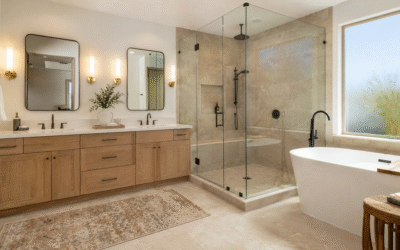
For bathroom remodeling or larger whole-home projects where material selections, scheduling, and subcontractor coordination all need to happen in sequence, that integration matters most.
Plan Your Renovation With Fortress DG
A realistic renovation budget is the foundation of a project that actually delivers what you planned for. Getting there requires clear scope, detailed estimates, a contingency fund, and a team that communicates transparently from start to finish.
Fortress Development Group works with homeowners throughout Las Vegas, Henderson, Summerlin, North Las Vegas, Enterprise, Paradise, and surrounding Southern Nevada communities on renovations that range from single-room updates to full whole-home remodels. From interior design and material selection through permitting, construction, and final finishes, every project is managed under one roof with a budget that’s built before any work begins.
Schedule a free estimate, and we’ll walk you through what a well-scoped, realistically budgeted project looks like for your home and your goals.
Frequently Asked Questions
How much should I budget for a home renovation?
It depends on scope, materials, and your home’s existing conditions. A commonly cited benchmark is 5 to 15 percent of the home’s value, but this is a reference point rather than a rule. What matters more is building a detailed estimate that covers all cost categories, including design, permits, and contingency.
What is the 5 to 15 percent rule for home renovations?
It suggests investing roughly 5 to 15 percent of a home’s current value in a renovation. It’s a useful starting reference but not a reliable budget on its own. A kitchen remodel in a modestly valued home could easily exceed that range. Always build from a detailed scope rather than a percentage alone.
How much contingency should I set aside for unexpected costs?
Reserve 10 to 15 percent of the total estimated project cost. For whole-home renovations or older homes, lean toward the higher end. This fund covers what’s discovered behind walls, including outdated wiring, plumbing issues, water damage, or structural conditions that weren’t visible before demolition.
What is included in a renovation budget?
A complete budget covers design and planning, labor, materials and finishes, permits and inspections, demolition, plumbing and electrical work, fixtures and appliances, and a contingency fund. Most overruns happen because homeowners price only the visible construction costs and leave out the rest.
How can I avoid going over budget during a remodel?
Define a detailed scope before construction begins, lock in material selections early, document every change order in writing before approving it, and track actual versus estimated costs throughout the project. Most budget overruns are caused by decisions that were made too late or changes that weren’t priced before being approved.
Should I get multiple contractor estimates?
Yes, at least two to three. Make sure each contractor is pricing the same scope of work. A lower bid that excludes certain phases or uses allowances rather than fixed prices isn’t a true comparison. Ask for line-item breakdowns and clarify what each estimate includes and excludes.
How do design choices affect renovation costs?
Significantly. Material selections, fixture grades, and custom versus stock options all drive cost differences. Making those selections during the design phase, rather than mid-construction, also prevents the change orders that add cost and delay when decisions shift after work has already started.
Do I need permits for remodeling projects in Las Vegas?
Yes, for most structural, electrical, plumbing, and mechanical work. Requirements vary between Clark County, the City of Las Vegas, Henderson, and North Las Vegas. Check with the relevant planning department for your address before starting any work.
Is a design-build company more cost-effective than hiring separate professionals?
For most full renovation projects, yes. A design-build firm closes the gap between design specifications and construction pricing, which reduces change orders and scope surprises. The integrated process tends to produce more predictable budgets and timelines than projects coordinated across separate parties.
What renovations offer the best return on investment?
Kitchen and bathroom renovations consistently deliver strong returns. Structural and systems upgrades protect value by preventing deferred maintenance from compounding. Energy efficiency improvements carry a higher-than-average return in Las Vegas given the climate’s impact on utility costs.