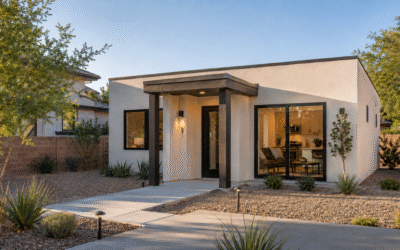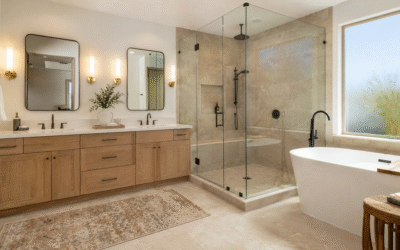
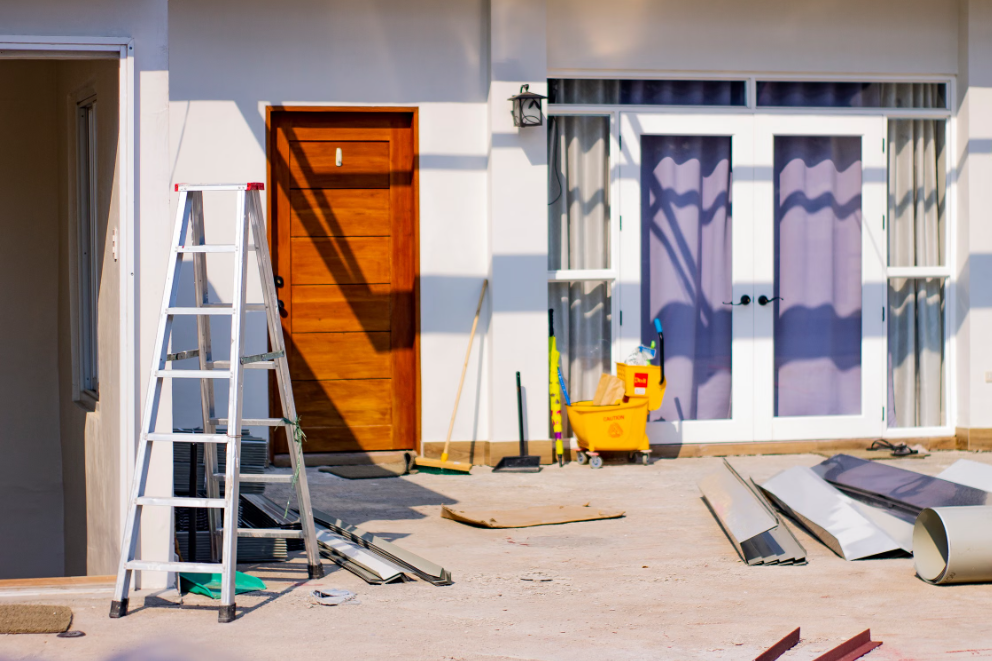
Most home renovation mistakes don’t happen during construction. They happen weeks or months before the first wall comes down, in the planning decisions that either set a project up for success or quietly guarantee problems. Knowing which home renovation mistakes to avoid before you start is the difference between a project that runs smoothly and one that drains your budget and patience at every turn.
Here are the ten most common ones and what to do instead.
10 Home Renovation Mistakes to Avoid
1. Starting Without a Realistic Budget
The most common renovation mistake is also the most costly. Homeowners set a number based on what they hope the project will cost rather than what it’s actually likely to cost, and the gap between those two figures usually catches up with them mid-project.
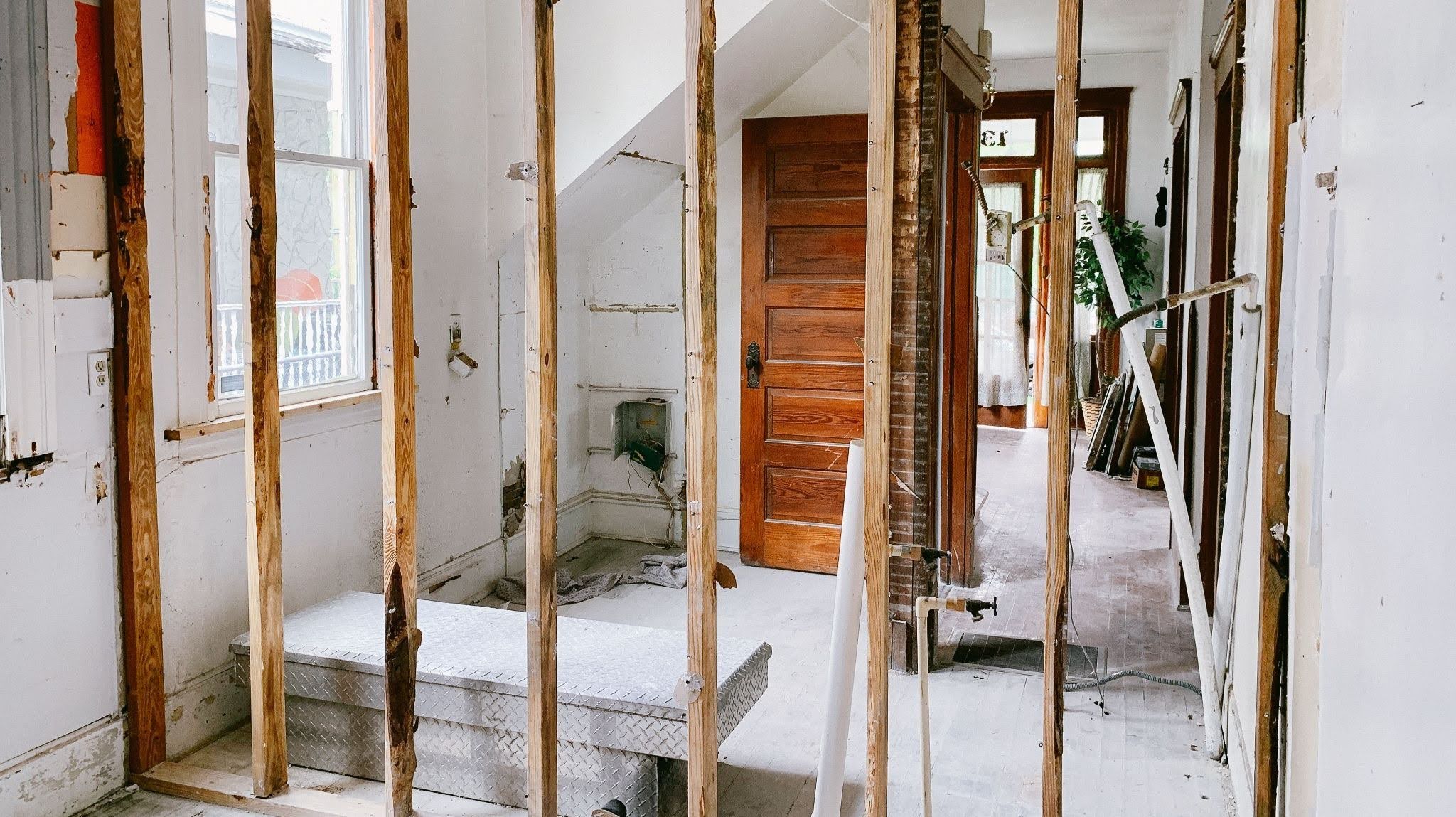
A realistic budget covers construction, design fees, permits, materials, and a contingency fund of 15 to 20 percent for the unexpected. Older homes especially tend to reveal surprises once demolition begins. What’s behind the walls isn’t always predictable, and having that buffer means surprises become manageable adjustments rather than project-stopping crises.
2. Skipping the Planning and Design Phase
Rushing past the design phase is one of the most reliable ways to trigger expensive change orders during construction. A homeowner who hasn’t finalized cabinet layout realizes mid-framing that the kitchen island won’t fit. A tile that looked right in a sample arrives in volume and doesn’t work with the floor that’s already been installed.
Decisions about layout, materials, and finishes need to be made before demolition starts, not during it. Every change made after construction begins costs more than the same change made at the design table. Our home renovation planning guide covers how to approach this phase properly before any work begins.
3. Ignoring Permits and HOA Requirements
Unpermitted work creates real problems. It can fail inspection, void insurance coverage, complicate a future sale, and in some cases require the work to be torn out and redone at the homeowner’s expense. The short-term savings of skipping a permit rarely survive contact with any of those outcomes.
In Las Vegas, this is especially worth paying attention to. Unincorporated Clark County, the City of Las Vegas, Henderson, and North Las Vegas each have their own permitting requirements, and HOA approval adds another layer in many master-planned communities throughout Summerlin and surrounding areas. Confirm what’s required for your address before any work starts.
4. Hiring Based on Price Alone
The lowest bid is tempting. It’s also the one most likely to reflect missing scope, shortcuts, or a contractor counting on change orders to make the project profitable. As the National Association of Home Builders notes, more than 30 percent of remodeling work performed by professionals comes from correcting failed attempts, whether DIY or otherwise.
Look for licensing, insurance, references from recent projects, and a clear communication process. A contractor who can’t explain their scope or timeline in writing before work starts is unlikely to manage the project well once it’s underway. A design-build firm that handles both design and construction under one contract reduces the coordination gaps that often lead to delays and cost overruns when separate parties are managing different phases.
5. Choosing Trends Over Timeless Design
Overly personalized finishes and trend-driven choices look great in the year they’re installed and can feel dated within a few years. More importantly, highly specific design choices narrow the pool of future buyers who’ll connect with the home.
The better approach is to build the primary surfaces, such as flooring, cabinetry, and countertops, around durable, neutral choices that hold up over time. Personality and style can come through in fixtures, hardware, and accessories that are far easier and less expensive to update. This is especially relevant when choosing countertop materials, where both durability and broad appeal matter for long-term value.
6. Fixing Cosmetics Before Structural Problems
New paint and flooring over a foundation issue, aging electrical panel, or failing plumbing is money spent in the wrong order. Structural and systems problems don’t go away because the space looks better. They get more expensive to fix the longer they’re deferred.
The right sequence is structural, and systems work first. Plumbing, electrical, roofing, HVAC, and foundation issues need to be addressed before any cosmetic renovation begins. Skipping ahead to finishes and coming back to structural problems later almost always costs more than doing things in the right order from the start.

7. Overlooking Storage and Functionality
A kitchen that photographs well but has nowhere to put pantry staples, or a bathroom remodel that left no thought for linen storage, becomes frustrating quickly. Storage and daily functionality are easy to plan for early and expensive to add after construction wraps.
Built-in storage, mudroom space, pantry configurations, and outlet placement are all decisions that cost almost nothing to change at the design stage and a significant amount to add after the fact. Think through how the space will be used every day, not just how it will look in photos.
8. Ordering Materials Too Late
Custom cabinets can take 8 to 12 weeks to deliver. Specialty tile, imported stone, and certain fixtures can take longer. Ordering materials after demolition begins rather than before it is a reliable way to add weeks of idle time to a project as crews wait for products to arrive.
Long-lead items should be selected and ordered during the design phase, before any construction starts. This is especially relevant for bathroom remodeling projects where tile, fixtures, and custom vanities all need to arrive in a coordinated sequence.
9. Underestimating Lighting and Electrical Planning
Lighting is one of the most frequently underplanned elements of a renovation, and it’s one of the hardest to fix after walls are closed. Outlet placement, recessed lighting positions, under-cabinet lighting, and whether the home is being set up for smart home systems all need to be mapped before electrical rough-in begins.
A space with poor lighting feels wrong no matter how good the finishes are. Layered lighting, adequate outlet count, and thoughtful placement of switches relative to traffic flow are all decisions that live in the planning phase. Once drywall is up, changes become expensive.
10. Not Designing for Future Needs
A renovation that fits perfectly today but doesn’t account for how the household might change in five or ten years is a missed opportunity. Aging-in-place features like curbless showers, wider doorways, and grab bar blocking cost almost nothing to include during construction and a significant amount to add later.
Similarly, a home office that works well now may need to function as a bedroom later. An ADU or guest house that’s planned with future flexibility in mind is far more valuable than one designed for only a single use. Building in adaptability during the renovation is one of the most practical investments a homeowner can make.
Las Vegas Homeowners: Local Factors Worth Knowing
Renovation decisions that work well in other parts of the country don’t always translate to Southern Nevada. The desert climate creates real differences in which materials perform, how systems are sized, and what buyers in this market expect.
Exterior materials need to hold up to intense UV exposure and sustained heat above 110°F. Insulation and window performance have a bigger impact on utility costs here than in most other climates. According to renovation research from This Old House, insulation upgrades consistently rank among the highest-return home improvement investments nationally, and in Las Vegas that return is compounded by how hard HVAC systems work during desert summers.
Water-efficient fixtures are both a practical and regulatory consideration in the Las Vegas Valley, where the Southern Nevada Water Authority enforces active conservation standards. HOA restrictions in master-planned communities throughout Summerlin, Henderson, and North Las Vegas add another layer that’s easy to overlook until it delays a project. Working with a local design-build team that knows the permitting landscape, climate considerations, and HOA expectations for Southern Nevada is one of the most practical ways to avoid surprises.
Partner With Fortress DG
The home renovation mistakes that cost homeowners the most are almost always avoidable with the right planning and the right team in place from the start. A design-build approach, where design and construction are handled together rather than separately, eliminates most of the handoff problems that lead to delays, change orders, and budget overruns.
Fortress Development Group works with homeowners throughout Las Vegas, Henderson, Summerlin, North Las Vegas, Enterprise, Paradise, and surrounding Southern Nevada communities on renovations that range from single-room updates to full whole-home remodels. From interior design and material selection to permit coordination and construction, every project is managed under one roof.
If you’re planning a renovation and want to start on the right foot, schedule a free estimate and we’ll walk you through what a well-planned project looks like from the first conversation to the final walkthrough.
Frequently Asked Questions
What is the biggest mistake homeowners make during a renovation?
Starting without a complete plan and a realistic budget. Most costly mid-project problems, including change orders, delays, and budget overruns, can be traced back to decisions that weren’t made before construction began.
How much contingency should I budget for a home renovation?
Set aside 15 to 20 percent of your total budget for unexpected costs. Older homes especially tend to reveal surprises during demolition. Having that buffer means problems can be addressed without derailing the project.
Should I renovate before moving into a home?
In most cases, yes, if major work is planned. Renovating an occupied home is more disruptive, takes longer, and costs more in temporary arrangements. Completing the work before move-in is usually cleaner and more efficient.
Do I need permits for home renovations in Las Vegas?
Yes, for most structural, electrical, plumbing, and mechanical work. Requirements vary between Clark County, the City of Las Vegas, Henderson, and North Las Vegas. Confirm what applies to your address with the relevant planning department before starting any work.
How do I choose the right renovation contractor?
Look for licensing, insurance, references from similar recent projects, and a clear written scope and timeline. A contractor who communicates well before the project starts will manage it better once work is underway.
What renovations add the most long-term value?
Kitchen and bathroom renovations consistently deliver strong returns. Structural and systems upgrades like insulation, electrical, and plumbing protect value by addressing problems before they become more expensive. In Las Vegas, energy-efficient upgrades carry additional value given the climate.
How can I avoid renovation delays?
Order long-lead materials before construction starts, finalize all design decisions before demolition, confirm permits are in place, and work with a contractor who has a clear project management process. Most delays are caused by decisions that weren’t made early enough.
Is a design-build company better than hiring separate contractors?
For most homeowners, yes. A design-build firm manages design and construction under one contract, which reduces coordination gaps, limits change orders, and creates a more consistent result from planning through completion.
What should I plan before starting a remodeling project?
Goals, budget with contingency, material selections, permit requirements, contractor selection, and a realistic timeline that accounts for design, permitting, material lead times, and construction. Decisions made before construction begins are far less expensive than the same decisions made after.
How long does a typical home renovation take?
It depends entirely on scope. A bathroom remodel typically runs 4 to 12 weeks in construction. A kitchen runs 8 to 20 weeks. Whole-home renovations often take 6 months or more. Add several weeks to months for design and permitting before construction begins.